Call us now :08071789902
 Send Inquiry
 Send Inquiry
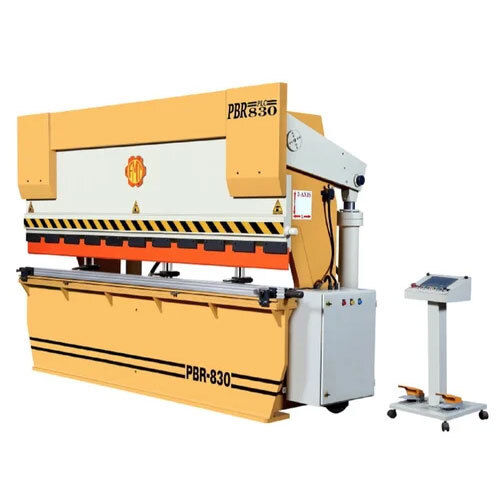
Front Cylinder Press Brake Machine
MOQ : 1 Unit
Front Cylinder Press Brake Machine Specification
- Cutting Size
- Up to 2500 mm
- Stroke Length
- 100 mm
- Application
- Sheet Metal Bending
- Features
- Robust construction, front cylinder design, high accuracy, easy operation
- Voltage
- 415 V
- Bending Strength
- 160 Ton
- Frequency
- 50 Hz
- Strokes Per Min
- 6-10
- Sheet Size
- Up to 10 mm thickness
- Automation Grade
- Semi Automatic
- Motor Power
- 10 HP
- Usage
- Industrial
- Size
- 2200x1200x1910 mm (LxWxH)
- Material
- Mild Steel Body
- Product Type
- Cylinder Press Brake Machine
- Accuracy
- ±0.05 mm
- Weight
- 2750 Kilograms (kg)
- Color
- Multicolor paint coated
- Frame Type
- Welded steel frame
- Oil Tank Capacity
- 200 liters
- Supported Die Types
- Standard, segmented dies
- Control System
- Manual and hydraulic controls
- Back Gauge Range
- 600 mm
- Main Cylinder Diameter
- 125 mm
- Ram Travel
- 160 mm
Front Cylinder Press Brake Machine Trade Information
- Minimum Order Quantity
- 1 Unit
- Supply Ability
- 100 Units Per Month
- Delivery Time
- Week
- Main Export Market(s)
- Western Europe, Middle East, Africa, Asia, Australia, Central America, North America, South America, Eastern Europe
- Main Domestic Market
- All India
Front Cylinder Press Brake Machine About
This front-cylinder press brake machine is used in metalworking for bending and shaping sheet metal into various forms and angles. This machine enhances accessibility and visibility during operation. This is used in varied sectors, from automotive to aerospace to construction, to develop high-grade and accurate components such as brackets, enclosures, panels, and chassis. This machine is available with advanced control systems, adjustable settings, and high-speed operation to enhance efficiency in metal fabrication processes.
| Condition | New |
| Material | Steel |
| Storage | Dry place |
| Max Open | 320 mm |
| Power | 5.5 Kw |
| Pulse Distance | 1850 mm |
| Stroke | 100 mm |
| Throat Depth | 230 mm |
| Worktable Length | 2200 mm |
| Automatic Grade | Semi-Automatic |
Superior Precision and Strength
Achieve remarkable bending accuracy of 0.05 mm with the Front Cylinder Press Brake Machine, which is built with a mild steel body and a robust welded frame. This machine delivers dependable bending strength up to 160 tons, making it ideal for tough industrial applications and large-volume sheet metal processing.
Versatile Operation and Die Support
Operators can switch easily between manual and hydraulic controls for flexibility in production. The machine caters to a wide range of applications, supporting standard and segmented dies, and accommodating sheet sizes up to 2500 mm in length and 10 mm in thickness, optimizing efficiency on the job floor.
User-Friendly Design and Efficient Process
The front cylinder design, coupled with semi-automatic operation and intuitive controls, offers smooth, consistent, and easy handling. Features like the 600 mm back gauge range and quick stroke adjustment enable users to streamline their workflow, reduce downtime, and maintain high productivity.
FAQs of Front Cylinder Press Brake Machine:
Q: How do I operate the Front Cylinder Press Brake Machines control system?
A: The control system offers both manual and hydraulic operation modes. You can select either mode based on your production requirements. The intuitive controls allow for straightforward adjustments of the ram, back gauge, and other settings to suit different sheet metal bending tasks.Q: What types of dies are compatible with this machine?
A: This press brake supports both standard and segmented dies, giving you flexibility in performing various bending operations. The die system can be easily changed or adjusted to match specific job requirements and material sizes.Q: When is it necessary to use the hydraulic control over the manual mode?
A: Hydraulic control is recommended for handling thicker materials, higher bending forces, or repetitive operations, as it provides consistent pressure and speeds up the bending process. Manual mode is suitable for lighter tasks or when fine-tuning specific bends is needed.Q: Where can this machine be used for maximum efficiency?
A: This machine is ideal for industrial fabrication shops, sheet metal working facilities, and manufacturing plants. Its robust construction and versatile features make it suitable for heavy-duty operations and high-precision bending tasks.Q: What is the typical process for changing dies on this press brake?
A: To change the dies, ensure the machine is powered off and follow the safety procedures. Remove the existing die using the appropriate tools, align the new standard or segmented die with the ram and bed, and securely fasten them before resuming operations.Q: How does the front cylinder design benefit industrial users?
A: A front cylinder design improves accessibility for setup and adjustments while providing balanced force distribution during bending. This leads to higher accuracy, easier operation, and faster cycle times during heavy industrial use.Q: What advantages does the semi-automatic feature provide in daily operations?
A: The semi-automatic mode helps streamline repetitive tasks, reduce operator fatigue, and maintain consistent quality. Operators can efficiently manage production while benefiting from safety features and ease of operation, resulting in better workflow and productivity.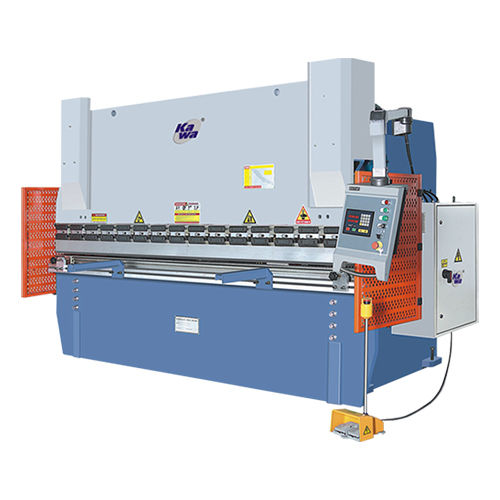
Tell us about your requirement

Price:
Quantity
Select Unit
- 50
- 100
- 200
- 250
- 500
- 1000+
Additional detail
Mobile number
Email

More Products in Press Brake Machine Category
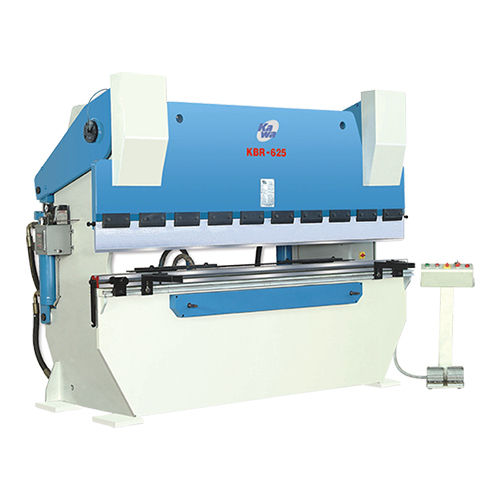
KBR-625 Rear Cylinder Press Brake Machine
Minimum Order Quantity : 1 Unit
Product Type : Cylinder Press Brake Machine
Usage : Industrial
Size : 2200x1110x1750x2500 mm (LxWxHxW)
Color : Multicolor Paint coated
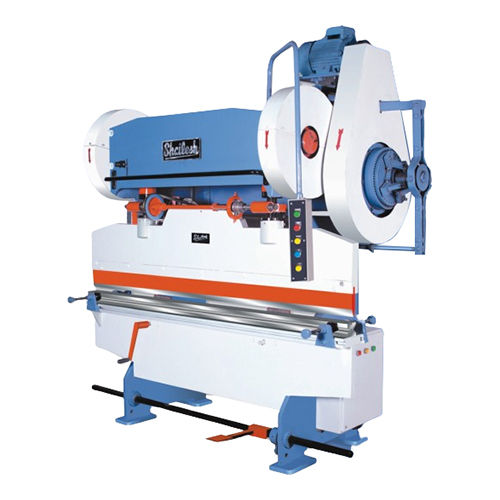
SP Series Brake Press Machine
Minimum Order Quantity : 1 Unit
Product Type : Brake Press Machine
Usage : Industrial
Size : Different Size
Color : Multicolor paint coated
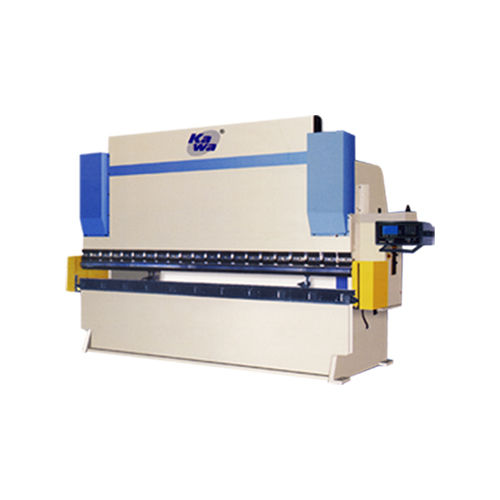
NC And CNC Press Brake Machine
Minimum Order Quantity : 1 Unit
Product Type : NC And CNC Press Brake Machine
Usage : Industrial
Size : Different Size
Color : White
Press Break Machine
Minimum Order Quantity : 1 Piece
Product Type : Press Break Machine
Usage : Industrial
Size : Standard
Color : Yellow

 Send Inquiry
Our Products


PLOT NO C-1/192/1, GIDC, AJI INDUSTRIAL AREA, Rajkot - 360003, Gujarat, India

Mr Hitarth Kawa
(Director)
Mobile :08071789902
 Send Inquiry
 Send SMS
Developed and Managed by Infocom Network Private Limited.


